


How much fibre do I need?
Enter the number of 50 kg cement bags in your mix. We will work out the fibre and packs for you.
Dosage: 125 g PP fibre per 50 kg cement bag, for plaster, concrete, screed and waterproofing.
- 125 g per cement bag
- Fewer shrinkage cracks
- Does not rust
- Plaster · Slab · Screed · Precast
- Lower price than Amazon
- Free delivery across India
125 g per bag. That is the whole trick.
A short film on how a small pouch of fibre stops plaster and slab cracks before they start.
How PP fibre works
Why add it, how much to use, how to mix it and where it works best.


Drag to compare
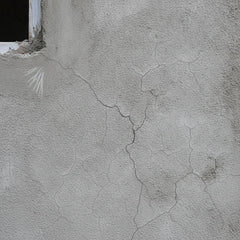
Plaster cracks start in the first week
As fresh plaster dries, cement shrinks and pulls itself apart into fine hairline and map cracks. They let water in, spoil paint and keep coming back after every repair.
PP fibre holds the mix together while it dries, so the wall cures sound and smooth.
Choose your pack
Every pack has the same fibre. 125 g pouches for small jobs, 10 kg bags for sites.
PP fibre vs the alternatives
How a fibre-reinforced mix compares with a plain mix and steel fibre.
| Feature |  Recommended
BuildingShop PP Fibre |
 Plain mix (no fibre) |
 Steel fibre |
|---|---|---|---|
| Controls shrinkage cracks | ✓ | ✕ | Partly |
| Rust-free | ✓ | ✓ | ✕ |
| Safe for thin plaster coats | ✓ | ✓ | ✕ |
| Easy to mix by hand | ✓ | ✓ | ✕ |
| Smooth surface finish | ✓ | ✓ | ✕ |
| Extra cost per cement bag | Low | None | High |
Where it is used
One fibre for every cement job on site.

Wall plaster
Fewer hairline cracks on internal and external plaster.

Floor screed
Stronger, crack-free screeds under tiles and flooring.

Roof slabs & RCC
Controls shrinkage cracks in slabs, beams and PCC.

Precast & pavers
Tougher blocks and pavers with fewer chipped edges.

3D micro-reinforcement
Millions of strands. Zero weak spots.
Each 125 g pouch spreads millions of fine polypropylene strands through the mortar in every direction. They bridge the micro-gaps that open as cement shrinks, so cracks never get a chance to join up and grow.
Synthetic fibre does not rust, so it is safe in plaster, slabs and water tanks.

Pick the right length
6 mm, 12 mm or 24 mm?
6 mm – wall plaster, putty base coats and repair mortar.
12 mm – roof slabs, floor screeds, RCC/PCC and waterproofing coats.
24 mm – heavy concrete, paver blocks and precast work.
Product details
Stop cracks before they start. BuildingShop PP fibre is a micro-reinforcement you mix into plaster, concrete and screed. Thousands of fine polypropylene strands spread through the mix and hold it together while it dries, so you get far fewer shrinkage and hairline cracks.
Why add PP fibre
- Controls early cracks – bridges the micro-gaps that open up as cement shrinks during curing.
- 3D reinforcement – strands spread in every direction for strength across the whole surface.
- Does not rust – synthetic fibre, safe inside plaster, slabs and water tanks.
- Better waterproofing – a denser, less porous mix that resists seepage.
- Easy to use – no change to your method; just add to the dry mix.
Dosage
Use 125 g per 50 kg bag of cement for plaster, concrete, waterproofing and precast work.
Which length?
- 6 mm – wall plaster, putty base coats, thin screeds and repair mortar.
- 12 mm – roof slabs, floor screeds, RCC/PCC and waterproofing coats.
- 24 mm – heavy concrete, paver blocks and precast work.
How to use
- Add the fibre to the dry cement and sand.
- Mix dry for a minute so the strands open up.
- Add water and mix 2–3 minutes longer than usual.
- Apply, pour or plaster as usual and cure normally.
| Brand | BUILDINGSHOP |
|---|---|
| Material | Polypropylene (PP) micro fibre |
| Colour | White |
| Fibre lengths | 6 mm, 12 mm, 24 mm |
| Packs | 125 g pouches (5, 10, 20), 1 kg pouch, 10 kg bag |
| Dosage | 125 g per 50 kg cement bag |
| Used in | Plaster, RCC/PCC, floor screed, roof slab, waterproofing, precast & pavers |
| Rust | Does not rust (synthetic) |
| How to add | Dry-mix with cement and sand, then add water |
How much fibre do I add?
125 grams for every 50 kg bag of cement. One 125 g pouch is enough for one bag of cement.
6 mm or 12 mm – which one should I buy?
Choose 6 mm for wall plaster and thin coats. Choose 12 mm for slabs, floor screeds, RCC and waterproofing. 24 mm is for heavy concrete and precast work.
Will it change how I mix or apply plaster?
No. Add it to the dry cement and sand, mix for a minute, then add water and mix 2–3 minutes longer than usual. Apply and cure as normal.
Does PP fibre replace steel reinforcement?
No. It controls shrinkage and surface cracks and improves the mix. Structural steel as per your engineer’s design is still required.
Is it safe for water tanks?
Yes. Polypropylene does not rust and is widely used in tank plaster and waterproofing coats.
How do I pay?
Prepaid only – UPI, debit/credit cards and net banking. Cash on delivery is not available.
Free delivery across India. Most orders reach you in 3–7 working days, depending on your pincode.
Payment: prepaid only – UPI, debit/credit cards and net banking. Cash on delivery is not available.
Bulk or GST invoice? Message us on WhatsApp before ordering.
Complete your plastering kit
Mesh, tools and tape that go with fibre-reinforced plaster.


Customer reviews
Average of 64 buyer ratings on Amazon.in
Real buyers, real sites. Bought from us? Tell others how it worked for you.
Plastering a whole building? Get site pricing
Contractors and builders get special rates on 10 kg bags and bulk orders.
- Volume pricing on 10 kg bags
- GST invoice for your business
- Priority dispatch for site schedules

Why buy from BuildingShop
Online-first building and farm products, backed by people who pick up the phone.
Sourced from top makers
We work with leading manufacturers and improve on standard designs.
Checked before dispatch
Every order is inspected and packed to survive the trip to your site.
Free delivery across India
Delivered to your door, from metro cities to villages.
Support that picks up
Questions before or after buying? Talk to a real person on WhatsApp.
Customers also viewed
Recently viewed

PP Fibre 6 mm for Plaster & Concrete – Anti-Crack Polypropylene Fibre
From
Sale price
Rs. 319
Regular price
Rs. 729


